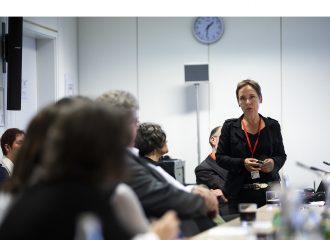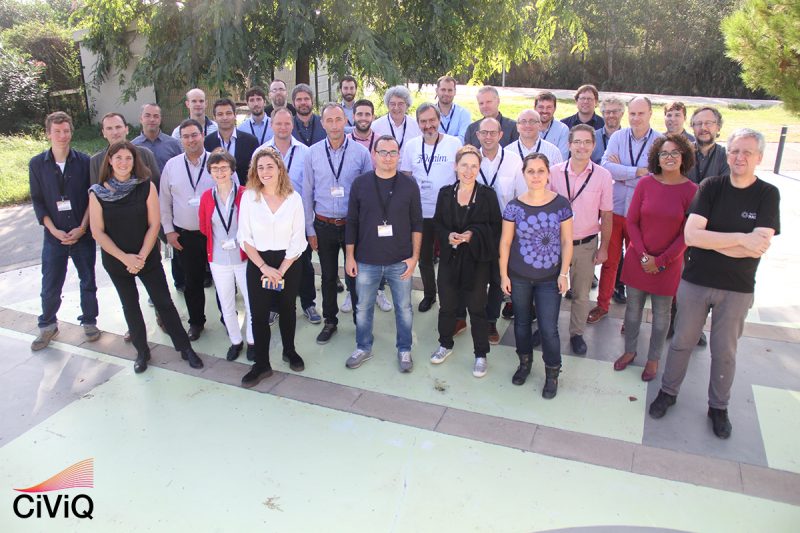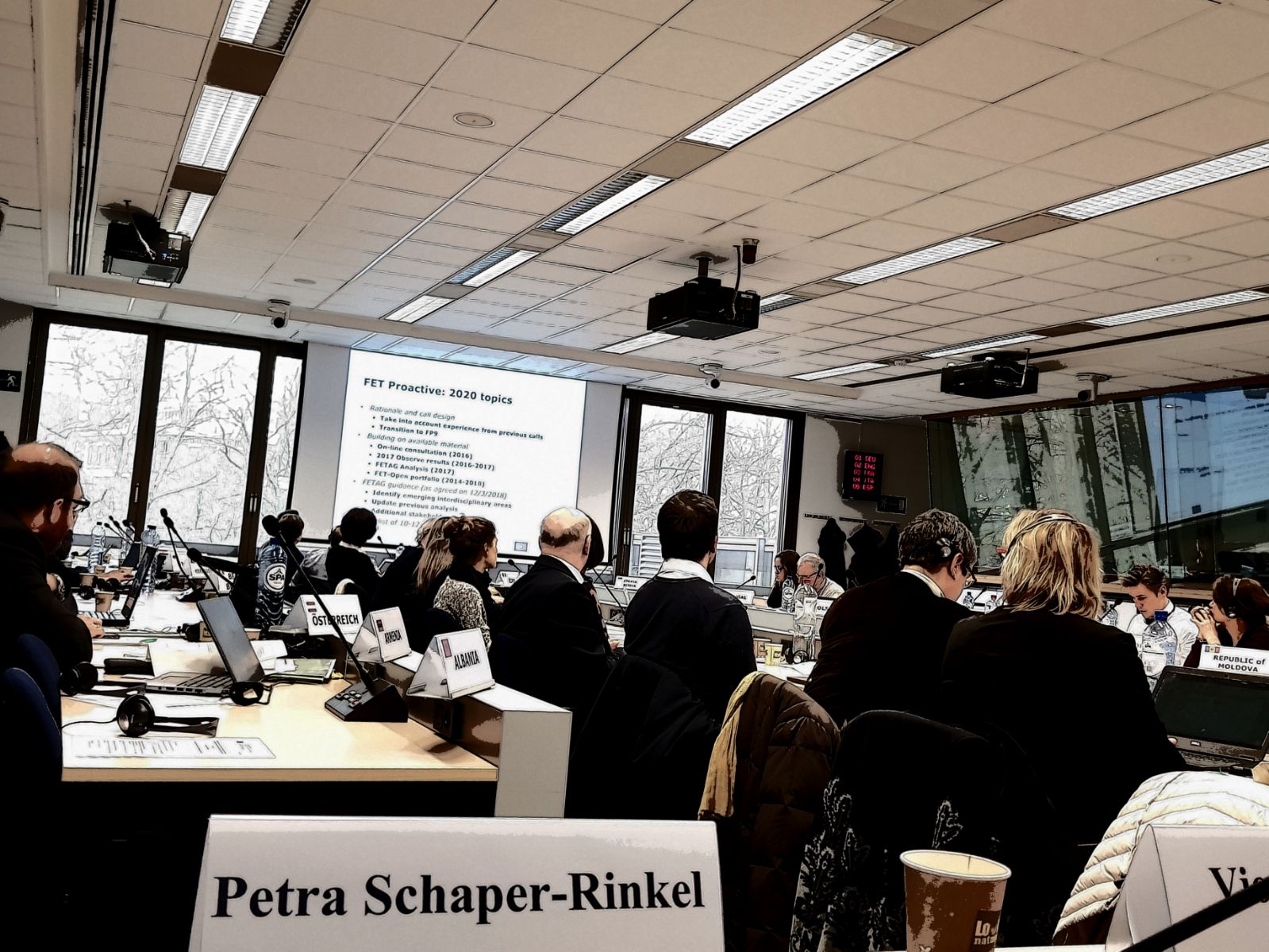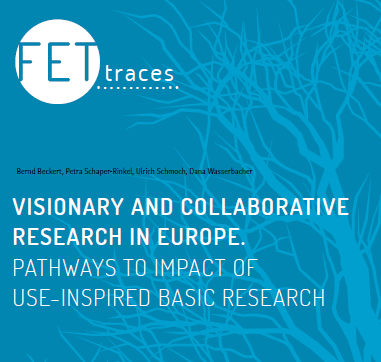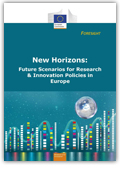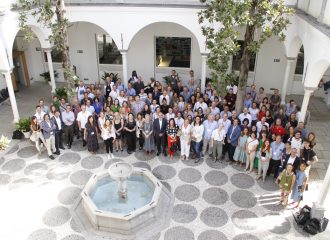
The purpose of this project (1/2011-1/2012) is to study current practices in thematically open, bottom-up approaches to funding cross-disciplinary frontier research (such as the Open scheme of the Future and Emerging Technologies challenge within the ICT workprogamme), to provide scenarios for the possible future developments of such schemes, and to formulate recommendations and options...
Read more »
Projekte
Project: Boosting the exploratory power of open research in Future and Emerging Technologies (EU Project)
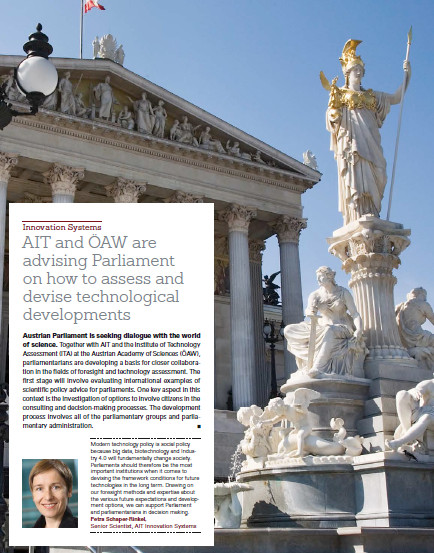
June 2010: EFP-Kickoff Conference – Foresight and Forward Looking Activities – Exploring New European Perspectives
(Conference Concept and concept of Sessions: Petra Schaper-Rinkel) Conference program & documentation: http://www.foresight-platform.eu/562/featured/efp-kickoff-conference/ Objectives of the Sessions Session 1: Looking back and looking forward: Thinking, debating and shaping the future Nearly one decade ago the STRATA High Level Expert Group (HLEG) of the European Commission worked out a framework for foresight, that was published...
Read more »
Scanning for emerging science and technology issues – SESTI (EU project)
SESTI Project 2009-2011 SESTI is a Collaborative project (small and medium scale focused research project), Blue sky research on emerging issues affecting European S&T. Today’s societal developments are often influenced by improbable events with possibly high impact. This increasing complexity and uncertainty is reflected in the growing demand for tools and approaches for anticipatory...
Read more »
2008: Projekt zur Reflexiven Technikentwicklung
Teilprojekte / Arbeitspakete im ARC-Projekt: “Reflexive Technikentwicklung – Erstellung eines Methodensets für sozial- und umweltverträgliche Innovationen aus dem Bereich Emerging Technologies” (…) Eine reflexive Technologieentwicklung ist von großer Bedeutung für Innovationen, die sozial- und umweltverträglich sein sollen. Solche Innovationen sind heutzutage immer mehr gefordert, da 1. technische Artefakte unser tägliches Leben immer mehr bestimmen...
Read more »
2007: Projekt zu "German Telecommunications integration"
“German Telecommunications Integration. A Study of Problems Observed during the Process of German Telecommunications Integration, and of Governmental Guideline Measures”. Auftragsforschung für das Korea Information Society Development Institute (KISDI). Durchgeführt am Zentrum Technik und Gesellschaft der TU Berlin Dr. Petra Schaper-Rinkel (principal investigator), Martin Meister (Coordination) Prof. Werner Rammert, Dr. Ulrich Busch, Dr. Benjamin...
Read more »
2004-2007. Politik der Nanotechnologie – Governance of Nanotechnology. DFG-Projekt an der Freien Universität Berlin
Politik der Nanotechnologie -Governance of Nanotechnology. DFG-Projekt “Politik der Nanotechnologie. Leitbilder und technologiepolitische Strategien im internationalen Kontext” Zusammenfassung Die Nanotechnologie ist in den Industrieländern ein wichtiges technologiepolitisches Handlungsfeld geworden. Die Entwicklungsdynamik und -richtung dieser Zukunftstechnologie wird neben naturwissenschaftlich-technischen Determinanten von politischen und ökonomischen Faktoren bestimmt. In dem Projekt sollen die Möglichkeiten zur Gestaltung eines...
Read more »
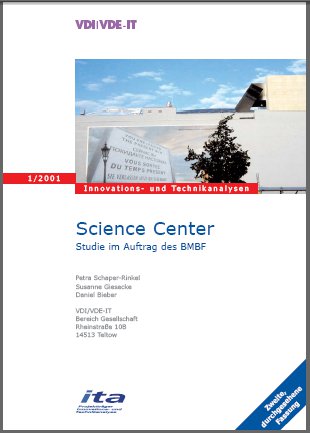
Science Center. Studie im Auftrag des BMBF (2001)
Petra Schaper-Rinkel, Susanne Giesecke, Daniel Bieber (2001). Science Center. Studie im Auftrag des BMBF, Teltow Zusammenfassung: Science Center präsentieren naturwissenschaftliche Phänomene anhand von Experimenten und regen über Hands-on-Exponate dazu an, aktiv zu experimentieren. Im Rahmen von Public Understanding of Science (PUS) sind sie ein Instrument, um das Interesse an Naturwissenschaften und Technik zu fördern....
Read more »
Die europäische Informationsgesellschaft: Technologische und politische Integration in der europäischen Politik (Monografie)
Petra Schaper-Rinkel (2003): Die europäische Informationsgesellschaft: Technologische und politische Integration in der europäischen Politik 2003 – 317 S., € 29,80 – SFR 52,50; ISBN : 3-89691-542-8, Verlag Westfälisches Dampfboot Teil I: Einleitung (S.9-21) Die digitale Revolution, die heute so wirkt, als sei sie plötzlich und rasant erschienen, beruht auf einer Politik, die in Europa...
Read more »